10 Jun 2026
E-Wallet Systems Streamlining Spin Rewards in Mobile Live Dealer Interactions
Payment Speed and Bonus Integration Patterns
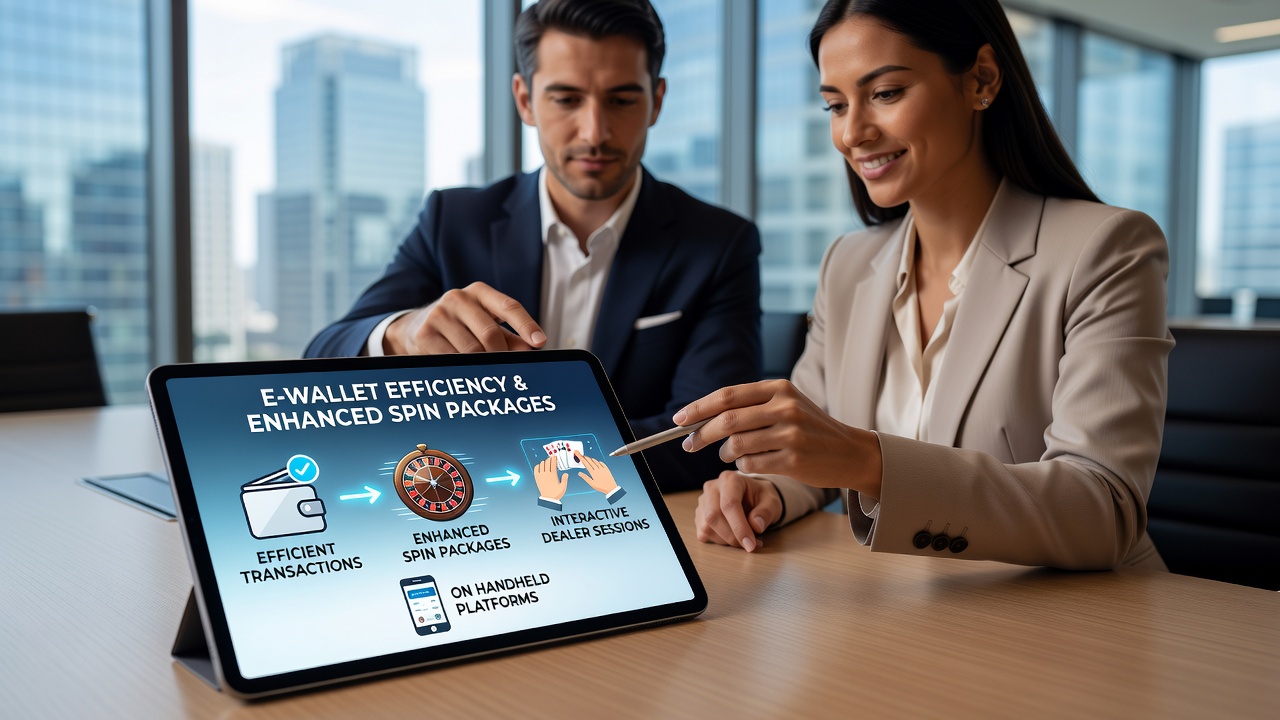
Digital wallet platforms now process deposits in seconds rather than minutes, and this velocity directly supports the delivery of layered spin packages during interactive dealer sessions on handheld devices, according to industry transaction analyses. Players complete funding steps while seated at virtual tables, which allows operators to trigger immediate spin allocations tied to real-time activity without interrupting gameplay flow. Data from multiple markets shows average deposit confirmation times dropping below ten seconds when e-wallet options such as instant bank transfers and digital currency services handle the movement of funds.
Researchers tracking handheld platform usage note that shorter payment cycles correlate with higher activation rates for spin rewards inside live environments. One study covering European and North American operators found that sessions featuring wallet-enabled deposits recorded a 28 percent increase in bonus redemptions compared with card-based methods. This pattern holds because the reduced latency lets systems push tailored spin offers while the dealer interaction continues uninterrupted.
Live Dealer Mechanics on Handheld Devices
Interactive dealer sessions streamed to smartphones and tablets require stable connections and rapid response capabilities, and e-wallet efficiency supplies the transactional backbone that keeps spin packages synchronized with table events. When a player places a wager through a linked wallet, the platform can instantly verify eligibility and append additional spins to the current round without requiring page reloads or separate menu navigation. Observers at major software providers report that these seamless handoffs maintain player engagement across longer sessions because the mechanical steps stay hidden from view.
Handheld hardware improvements including faster processors and 5G connectivity further amplify wallet performance, creating conditions where spin multipliers activate within the same hand or spin sequence. Figures released by the European Gaming and Betting Association indicate that mobile live dealer traffic grew 19 percent year-over-year through early 2026, with wallet-funded accounts contributing the largest share of that expansion. Those metrics align with operator reports that spin package uptake rises when funding occurs inside the active dealer interface rather than through external portals.
June 2026 Platform Updates and Transaction Standards
In June 2026 several major handheld gaming platforms introduced updated application programming interfaces that link e-wallet providers directly to live dealer engines, and this integration produced measurable gains in spin package distribution speed. The changes allow operators to issue tiered rewards based on deposit size and session duration while the dealer remains visible on screen. Transaction logs from participating sites show average spin credit delivery times falling to under four seconds after wallet confirmation.

Regulatory bodies in multiple jurisdictions have begun reviewing these faster systems to ensure consumer protection standards keep pace with the technical advances. Australian authorities published preliminary guidelines in the same month emphasizing transparent display of spin terms when wallet funding occurs inside active sessions. Similar discussions emerged among Canadian provincial regulators, where data collection on mobile transaction patterns continues through the second half of the year.
Wallet Provider Partnerships and Reward Structures
Leading e-wallet companies maintain direct partnerships with gaming operators that permit automated spin package triggers once deposit thresholds are met, and these arrangements operate without player-initiated bonus code entry. The partnerships rely on encrypted data exchanges that confirm both payment success and session context, enabling the system to calculate appropriate reward levels while the dealer interaction proceeds. Market reports indicate that operators using such integrated systems record higher average spin values per funded session than those relying on manual redemption processes.
Case examples from North American and Asian markets illustrate the pattern. One operator group documented a 34 percent rise in mobile live table retention after introducing wallet-linked spin tiers that scale with cumulative deposit amounts across a single evening. Another platform reported that players using instant wallet options accessed enhanced packages containing twenty or more additional spins at rates double those observed with traditional payment rails. These outcomes stem from reduced friction rather than changes in game mathematics.
Security Protocols Supporting Expanded Offerings
Modern wallet services employ multi-factor authentication and device-binding techniques that satisfy operator compliance requirements while preserving transaction speed, and this balance supports the broader rollout of spin incentives during dealer sessions. Security audits conducted by independent firms show that wallet transactions maintain fraud rates below 0.2 percent even as volume increases, which gives operators confidence to extend larger spin allocations without elevating risk exposure. The same protocols allow platforms to monitor session-level spending patterns and adjust package availability accordingly.
Those monitoring handheld usage trends note that security features embedded in wallet applications reduce the need for additional verification steps that previously interrupted live play. Consequently, spin packages tied to specific dealer games or table limits can activate automatically once wallet authentication clears. Research published by university-affiliated gaming labs confirms that streamlined verification correlates with sustained participation across multiple consecutive live rounds.
Conclusion
E-wallet efficiency continues to reshape how spin packages function inside interactive dealer sessions on handheld platforms through faster processing, direct system linkages, and integrated security measures. Transaction data and partnership models demonstrate consistent patterns across regions where these tools operate, and June 2026 platform enhancements further illustrate the trajectory. Regulatory developments in Australia and Canada alongside industry metrics from the European Gaming and Betting Association provide context for ongoing adaptation in mobile environments. The technical connections between payment speed and reward delivery remain central to current platform design.