26 Jun 2026
E-Wallet Systems Supporting Retention Rates for Mobile Table Game Participants Seeking Bonus Credits

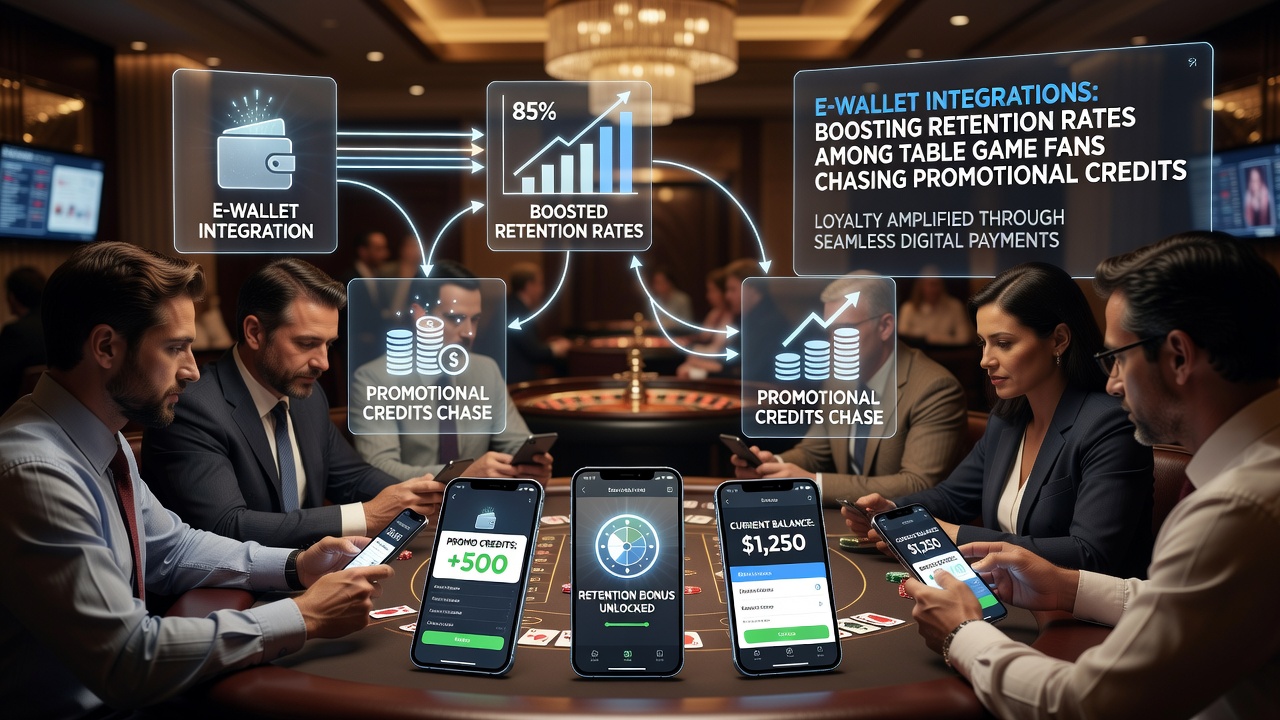
Digital wallet connections have become central to how table game enthusiasts maintain activity on handheld platforms while pursuing promotional credits, and data from industry reports shows steady increases in session frequency when payment options align with bonus structures. Players often access roulette or blackjack titles through smartphone interfaces where deposits via integrated wallets trigger immediate credit availability, reducing delays that previously interrupted engagement flows. This setup allows participants to respond quickly to time-limited offers without switching between multiple applications or banking portals.
Mechanics of Wallet Integration in Table Game Environments
Table game applications on mobile devices now embed wallet services such as PayPal and regional equivalents directly into account dashboards, enabling one-tap transfers that sync with ongoing promotions. When a user deposits through these channels, promotional credits activate automatically in many systems, and this linkage keeps players within the game environment rather than redirecting them externally. Observers note that such features support longer play periods because funds and bonuses remain visible in a single interface, which simplifies tracking progress toward wagering requirements on titles like video poker variants or live dealer tables.
Handheld devices benefit particularly from these connections because touch-based navigation pairs well with wallet authentication methods that use biometric confirmation. Research indicates that players who complete deposits in under thirty seconds show higher return rates within the same week, and wallet providers have adjusted their APIs to meet these speed expectations in gaming contexts. In June 2026, several platform updates across North American markets further streamlined these processes by incorporating multi-currency support, allowing users in different regions to maintain consistent access to credits without conversion interruptions.
Retention Patterns Linked to Promotional Credit Access
Retention metrics in mobile table gaming segments reveal correlations between wallet-enabled bonus claims and continued account activity over thirty-day periods. Figures from a report by the New Jersey Division of Gaming Enforcement highlight that operators offering seamless e-wallet deposits for promotional purposes recorded elevated repeat participation rates compared with those relying on traditional bank transfers. Players chasing credits for specific table games tend to return more frequently when the payment method they prefer integrates without additional verification steps each time.
What's interesting here is how these systems handle promotional structures, since many bonuses now tie directly to deposit amounts processed through approved wallets. A player might deposit a set sum via an integrated service, receive matching credits applied instantly to their table game balance, and then continue sessions without leaving the app. This flow reduces drop-off points that occurred in earlier models where separate banking apps created friction. Data shows participation in live dealer formats, which require stable connections, benefits especially from this reliability because funds availability aligns with scheduled promotional windows.
Regional Variations in Wallet Adoption and Player Behavior
Adoption rates differ by region, with European markets demonstrating earlier integration of wallet features into mobile table game offerings compared with some other areas. A study from the University of Las Vegas gaming research division examined player logs and found that regions with widespread mobile wallet usage recorded stronger retention among those focused on promotional credit opportunities in blackjack and baccarat sessions. Australian regulatory summaries from 2025 onward also noted similar patterns where operators expanded wallet options and observed sustained account activity among table game segments.
Yet operators continue refining these integrations because promotional credits often carry specific terms that interact with wallet transaction histories. For instance, certain credits require deposits from verified sources, and wallet providers supply transaction records that platforms use to confirm eligibility automatically. This automation supports retention by minimizing manual reviews that could delay credit access on handheld devices during peak play times.
Technical Considerations for Sustained Engagement
Security protocols built into modern e-wallet integrations help maintain player trust while supporting ongoing promotional pursuits. Encryption standards applied to mobile transactions ensure that credit balances and deposit histories remain protected, which encourages repeated use among table game fans who value consistent access to their accounts. Platforms that combine wallet services with real-time balance updates allow users to monitor promotional progress without exiting games, a feature that aligns with observed increases in session duration data.
Turnaround times for withdrawals through the same wallets also factor into retention calculations, since players who complete cycles of deposit, play, and payout through unified services tend to maintain activity across multiple promotional periods. Industry organizations tracking these trends report that such closed-loop systems reduce account dormancy rates in mobile table game categories.
Conclusion
Overall, e-wallet integrations continue to shape how retention unfolds for table game participants on handheld devices who focus on promotional credits. The connections between payment speed, bonus activation, and session continuity appear in multiple market reports, and operators adjust their mobile platforms accordingly to align with these patterns. As wallet technologies evolve alongside device capabilities, the emphasis remains on maintaining fluid access that supports repeated engagement without unnecessary interruptions.