7 Aug 2026
Instant Transaction Routes Powering Deposit-Free Roulette Play on Smartphones
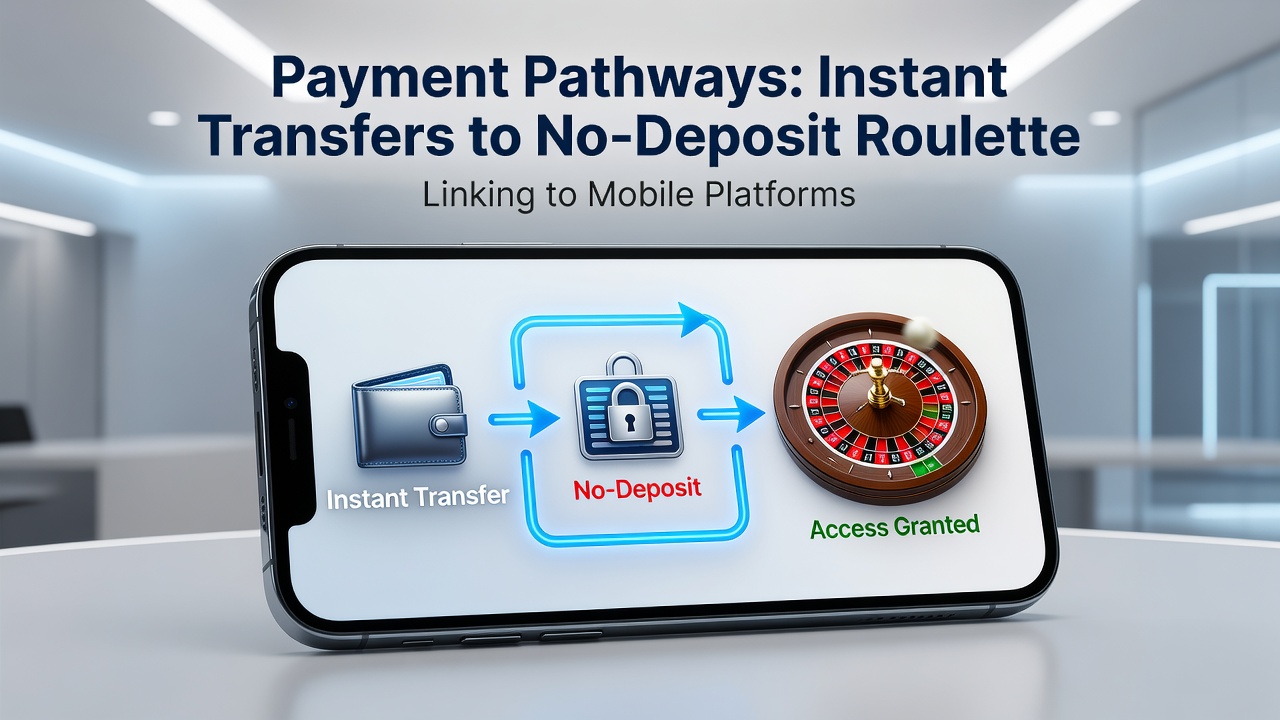
Payment pathways have evolved to connect real-time fund movements directly with entry points for no-deposit roulette sessions on mobile devices, allowing players to engage without initial account funding in many cases. These routes rely on integrated systems from digital wallets, bank APIs, and processor networks that verify eligibility and grant access within seconds rather than minutes or hours. Data from various regulatory bodies shows participation in mobile roulette formats rising steadily through 2026, with August figures indicating continued expansion in regions outside traditional markets.
Core Components of These Payment Pathways
Systems begin with user authentication through device biometrics or app-based tokens, followed by linkage to instant settlement services that bypass conventional card processing delays. Once verified, the pathway triggers bonus activation codes that credit roulette tables without requiring a deposit, a process supported by backend agreements between operators and payment providers. Observers note that such connections reduce friction points, enabling seamless transitions from account login to live wheel spins on platforms optimized for iOS and Android environments.
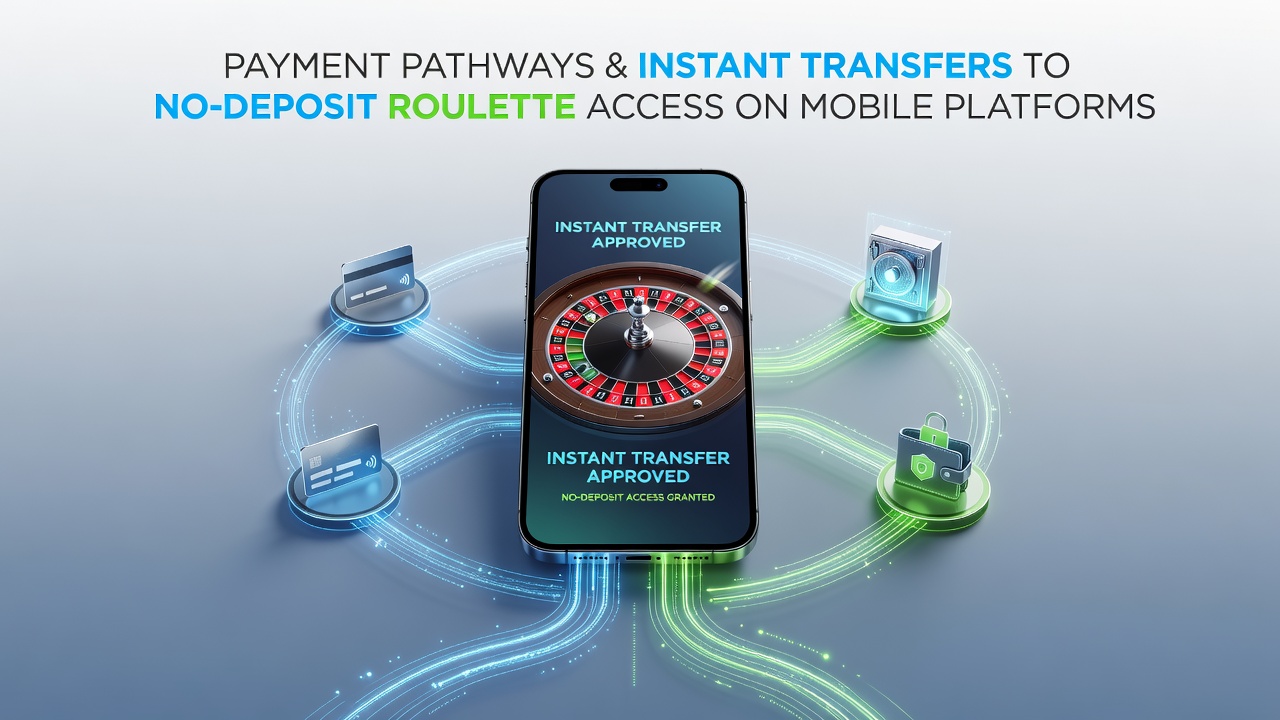
Key elements include API endpoints for balance checks, encryption layers for transaction security, and compliance modules that align with regional rules on promotional credits. These components work together so that a player selecting a no-deposit roulette option receives immediate table access while the underlying transfer pathway logs the event for audit purposes. Research indicates that adoption of these integrated routes has accelerated alongside broader mobile payment growth tracked by international financial authorities.
Technical Integration on Mobile Platforms
Developers embed these pathways through software development kits that interface with operating system payment frameworks, allowing one-tap confirmations that feed directly into casino account ledgers. In practice, a smartphone user initiates the sequence, the system confirms identity via stored credentials, and the no-deposit roulette session launches without additional steps. What's notable is how these integrations handle cross-border variations in currency conversion and settlement times, maintaining consistency even when players switch networks mid-session.
August 2026 reports from gaming oversight bodies in multiple jurisdictions highlight updates to mobile app standards that further streamline these connections. Processors now incorporate predictive analytics to flag potential issues before they interrupt access, ensuring that roulette gameplay remains uninterrupted once the pathway activates. Those who've examined the architecture find that redundancy in server routing contributes to the reliability observed in current deployments.
Regulatory and Security Considerations Across Regions
Authorities in places such as New Jersey and parts of Canada maintain oversight of these pathways through licensing requirements that mandate transparent tracking of promotional credits. New Jersey Division of Gaming Enforcement documentation outlines expectations for instant transfer verification, emphasizing player protection measures that apply equally to deposit-free options. Similar frameworks in Australian states require operators to demonstrate that no-deposit roulette access aligns with responsible gaming protocols, including time and spend limits enforced at the app level.
Security protocols within the pathways utilize tokenization and multi-factor checks to prevent unauthorized entry, a standard reinforced by industry groups focused on digital transaction safety. Data shows that incidents involving these specific routes remain low compared to traditional deposit methods, partly because the systems limit exposure through short-lived access tokens. Experts have observed that ongoing refinements in August 2026 continue to address emerging patterns in mobile fraud attempts.
Examples of Pathway Implementation in Practice
One documented case involves a European operator that partnered with a fintech provider to link wallet services directly to roulette lobbies, resulting in activation times under five seconds for eligible users. Another instance from North American platforms demonstrates how API calls trigger bonus credits for no-deposit roulette while simultaneously updating player histories in centralized databases. These examples illustrate how the pathways function across different regulatory landscapes without requiring repeated user input.
Additional implementations appear in emerging markets where mobile penetration outpaces traditional banking infrastructure, allowing instant transfers to serve as the primary bridge to casino features. Figures from research institutions tracking global gambling technology reveal that such adaptations have supported steady participation rates even as device hardware evolves. The reality is that these connections rely on continuous updates to maintain compatibility with new smartphone models released throughout 2026.
Conclusion
Payment pathways that tie instant transfers to no-deposit roulette access on mobile platforms represent a convergence of financial technology and gaming software that continues to develop. Through structured integrations, regulatory compliance, and security enhancements, these routes enable efficient entry points while supporting oversight from diverse international bodies. Continued monitoring by agencies and industry researchers will shape further refinements in the months ahead.