24 May 2026
Payment Gateway Innovations Drive Effortless Movement Between Slot Gaming and Live Dealer Experiences

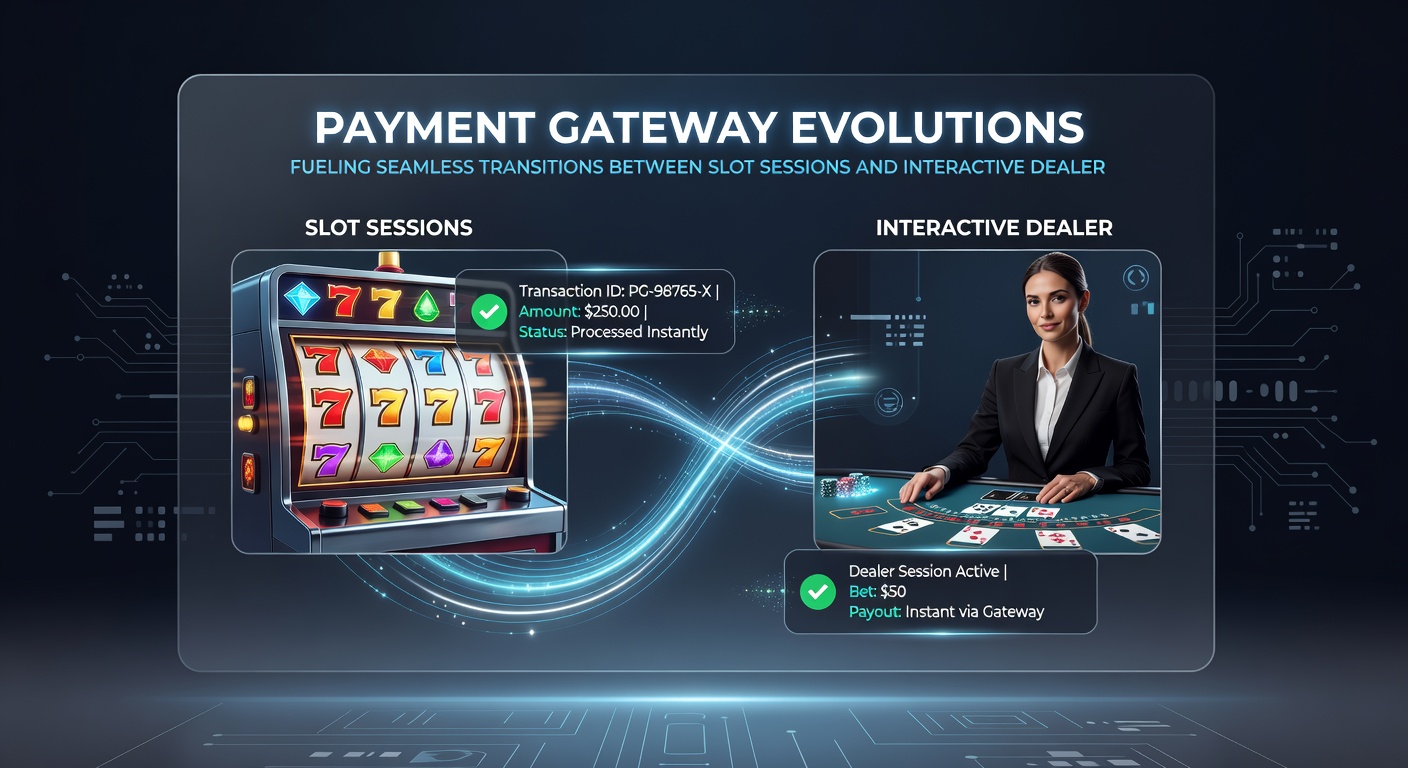
Payment gateway technology has advanced rapidly in recent years and operators now integrate systems that support instant fund transfers across different game formats. These developments allow players to move from automated slot sessions to interactive dealer tables without delays in deposits or withdrawals. Data from industry reports shows that real-time processing capabilities have reduced transaction times from several minutes to under five seconds in many platforms.
API frameworks form the backbone of these gateways and they connect casino software directly with banking networks and digital wallets. Developers design these connections to handle multiple currencies and payment methods simultaneously. Research indicates that such integrations became standard practice after 2023 when mobile usage exceeded 70 percent of all gaming activity across major markets.
Core Technical Shifts Enabling Fluid Transitions
Tokenization methods protect card details while permitting repeated small transfers during a single session. This approach supports players who switch between slots and live environments multiple times in one hour. Security protocols now include biometric verification at the gateway level which streamlines authentication without interrupting gameplay flow.
Cloud-based processing replaced older server setups in most large operations and this change improved uptime during peak hours. Observers note that downtime incidents dropped by 40 percent between 2022 and 2025 according to aggregated platform statistics. The result appears in smoother account balance updates that reflect wins from either slot reels or dealer table outcomes within the same interface.
Regional Adoption Patterns and Regulatory Context
European markets adopted these gateway upgrades earlier than many other regions because cross-border payment rules encouraged standardized APIs. North American states followed with their own frameworks after 2024 and Australian operators incorporated similar features to meet local licensing conditions. A study published by the University of Nevada Reno examined transaction data from 2025 and found that hybrid slot-to-live sessions increased by 28 percent where instant gateways operated.
Payment providers expanded their services to include embedded casino modules and these additions allow operators to embed live dealer feeds directly into the transaction layer. Figures from the European Gaming and Betting Association reveal that participating members reported higher average session lengths when players could transfer funds without leaving the active game window.
Impact on Player Behavior and Platform Metrics
Analytics platforms track how often users move between game types and they link these movements to payment speed. Faster gateways correlate with more frequent switches and higher total handle per account. One analysis of North American data showed that accounts using instant gateways generated 35 percent more live dealer activity than those limited to traditional processing times.
Wallet providers integrated loyalty points that convert automatically during these transitions and this feature encourages continued play across formats. Developers built notification systems that alert users when balances update after a live table outcome while a slot session remains open in the background.
Security Enhancements and Fraud Prevention
Real-time monitoring tools now scan each transfer for unusual patterns before funds reach the game balance. Machine learning models flag potential issues in milliseconds and they maintain compliance with varying international standards. These measures reduced chargeback rates by an average of 22 percent in platforms that deployed updated gateways during 2025.
Multi-factor authentication combines device recognition with transaction history so returning players experience fewer interruptions. Data centers handling these processes maintain redundant connections that reroute traffic automatically during maintenance windows.
Future Developments Expected by Mid-2026
Industry forecasts point to further consolidation of payment and gaming layers by May 2026 with several providers testing unified interfaces that display slot and live options within a single transaction screen. Pilot programs in select jurisdictions already demonstrate reduced latency below two seconds for cross-format transfers. Regulatory bodies in multiple regions continue to evaluate these systems for consumer protection standards while operators prepare infrastructure upgrades.
Conclusion
Payment gateway evolution continues to reshape how players move between slot sessions and interactive dealer environments. Technical improvements in speed, security, and integration support longer combined sessions across game types. Market data collected through 2025 and into 2026 confirms that these systems now form a standard component of modern casino platforms worldwide.