12 Aug 2026
Securing Player Rewards: The Role of Encryption in Mobile Bonus Redemptions
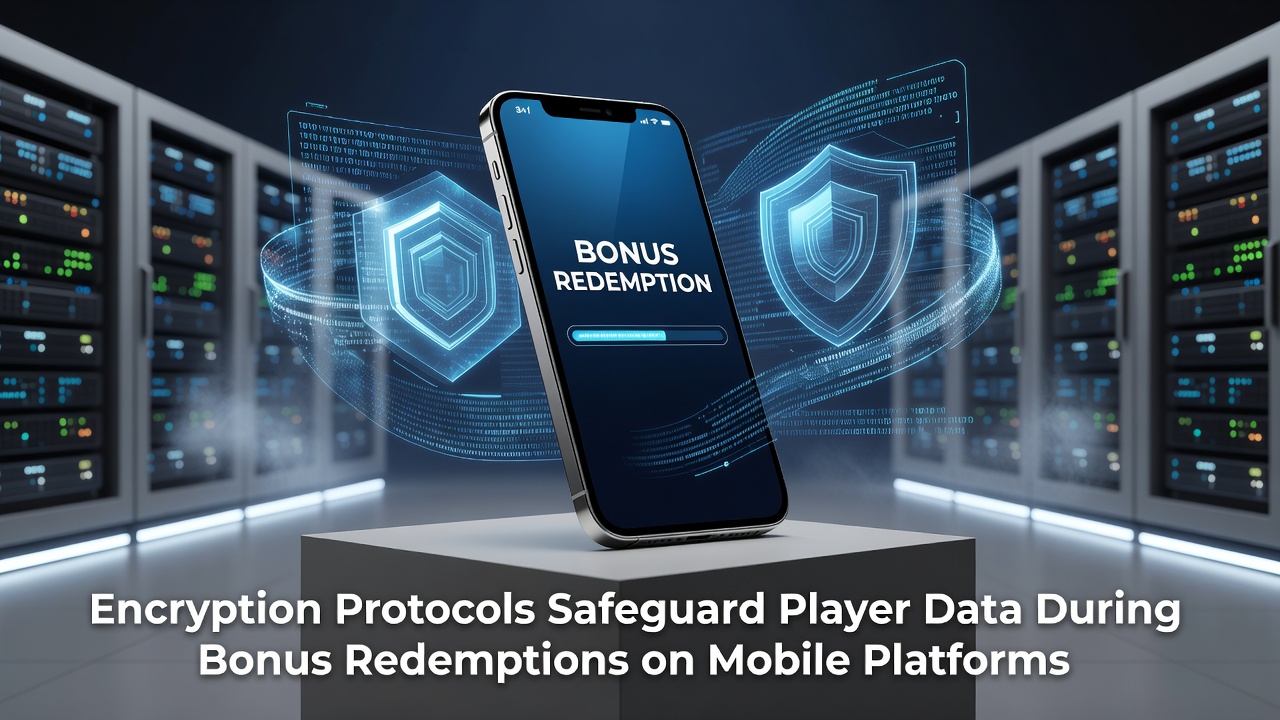
Encryption protocols form the backbone of data protection across mobile gaming environments where players redeem bonuses and transmit sensitive information, and researchers have documented how these systems prevent unauthorized access during every stage of the transaction process. Standards such as AES-256 and TLS 1.3 encrypt data in transit and at rest so personal details, payment credentials, and account identifiers remain shielded from interception attempts on public networks or compromised devices.
Core Encryption Methods Applied in Mobile Gaming
Advanced encryption algorithms operate through layered security architectures that combine symmetric and asymmetric techniques, which allows mobile platforms to handle high volumes of bonus claims without exposing raw data to third parties. Developers integrate these protocols into application programming interfaces that manage authentication flows, and studies from institutions like the National Institute of Standards and Technology outline how AES implementations achieve computational resistance against brute-force attacks when paired with proper key management practices. Mobile operating systems enforce additional hardware-backed encryption modules that store cryptographic keys in secure enclaves, reducing risks associated with software vulnerabilities.
Key exchange mechanisms such as Diffie-Hellman and elliptic curve variants establish session-specific secrets during each bonus redemption attempt, and this approach ensures that even if one session faces compromise the remaining traffic stays protected. Observers note that platforms processing rewards in August 2026 increasingly adopted post-quantum cryptography candidates to address emerging computational threats, while maintaining backward compatibility with existing TLS stacks.
Data Flow During Bonus Redemption on Mobile Devices
When users initiate a bonus claim the mobile application collects verification data including device identifiers, location signals, and account credentials before packaging everything into encrypted payloads that travel over secure channels to backend servers. Intermediate steps involve certificate validation that confirms the receiving endpoint matches expected domain parameters, and this verification occurs automatically within milliseconds to maintain responsive user experiences. Payment gateways integrated into the same workflow receive tokenized representations of financial details rather than actual card numbers, which further isolates sensitive elements from potential exposure points.
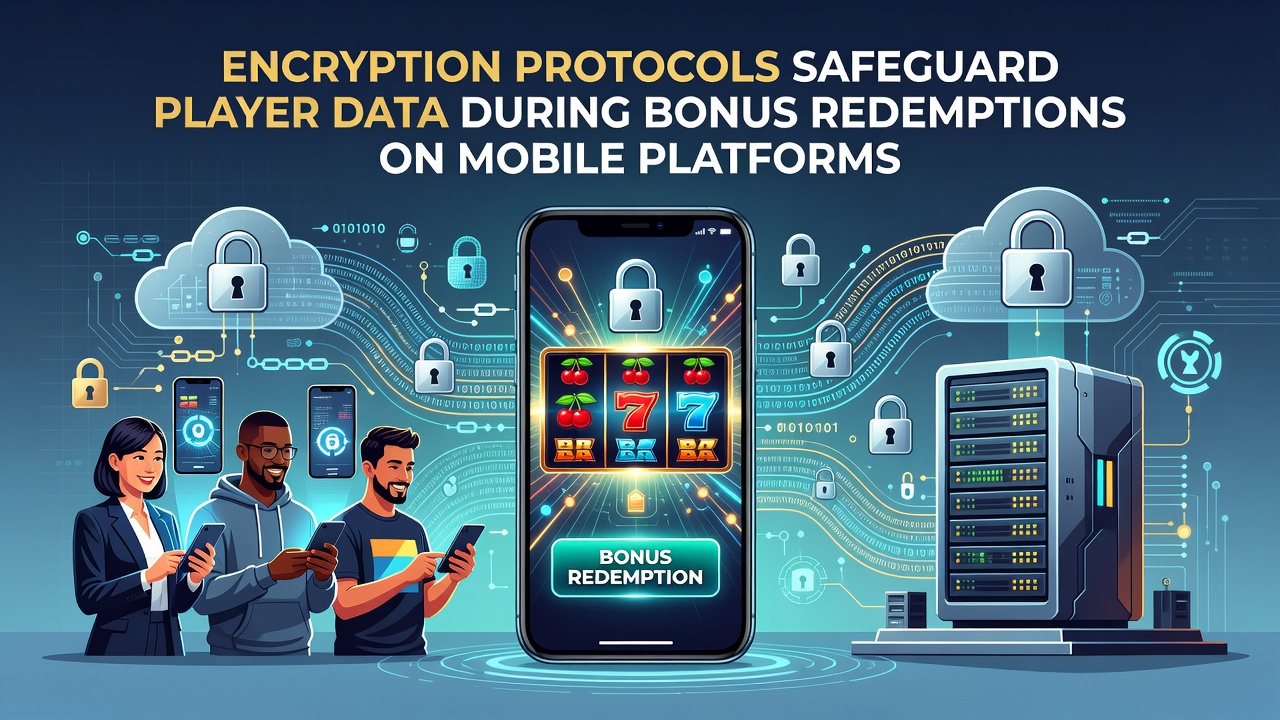
Real-time monitoring systems flag anomalies in decryption patterns or certificate mismatches, and regulatory frameworks in regions including the European Union and Canada require operators to maintain audit logs of these events for compliance verification. Data indicates that platforms implementing end-to-end encryption report fewer incidents of credential theft compared with those relying solely on network-level protections, according to analyses published by the European Union Agency for Cybersecurity.
Integration Challenges and Platform-Specific Adaptations
Cross-platform compatibility presents ongoing technical hurdles because iOS and Android maintain distinct security models that demand tailored encryption implementations, yet developers have addressed many of these differences through unified libraries that abstract underlying hardware variations. Battery and processing constraints on mobile hardware require optimized cryptographic routines that avoid excessive computational overhead while preserving security margins, and researchers at institutions such as the University of Cambridge have published evaluations showing measurable performance gains from hardware-accelerated AES instructions without compromising key strength.
Bonus redemption workflows often incorporate multi-factor authentication steps that themselves rely on encrypted one-time codes delivered via push notifications or authenticator applications, and this layered approach reduces reliance on any single security control. In August 2026 several major operators expanded their use of zero-knowledge proof techniques during reward verification, allowing platforms to confirm eligibility without transmitting full personal datasets across networks.
Regulatory and Industry Standards Shaping Implementation
Government agencies and industry bodies establish baseline requirements for encryption strength and key rotation frequencies that operators must meet when handling player data during bonus processing, and these guidelines evolve in response to documented attack vectors and advances in cryptanalysis. The Australian Cyber Security Centre provides technical guidance on secure mobile application development that emphasizes certificate pinning and perfect forward secrecy, measures that prevent downgrade attacks during data exchanges. Industry associations coordinate voluntary certification programs that test protocol implementations against standardized threat models, creating benchmarks operators reference when updating their systems.
International collaboration among standards organizations has accelerated adoption of unified testing frameworks, and this cooperation helps ensure consistent protection levels regardless of where mobile users access services. Reports from academic consortia highlight measurable reductions in data breach impacts when organizations maintain current encryption deployments aligned with these recommendations.
Conclusion
Encryption protocols continue to underpin secure bonus redemptions on mobile platforms through established algorithms, hardware integration, and adaptive regulatory frameworks that respond to technological shifts, and evidence from multiple jurisdictions demonstrates their effectiveness in maintaining data confidentiality during high-volume transaction periods. Ongoing refinements in post-quantum readiness and cross-platform optimization indicate sustained investment in these protective measures as mobile gaming participation expands globally.