14 Jun 2026
The Role of Mobile Payment Velocity in No-Deposit Bonus Timing for Slot-Roulette Hybrids
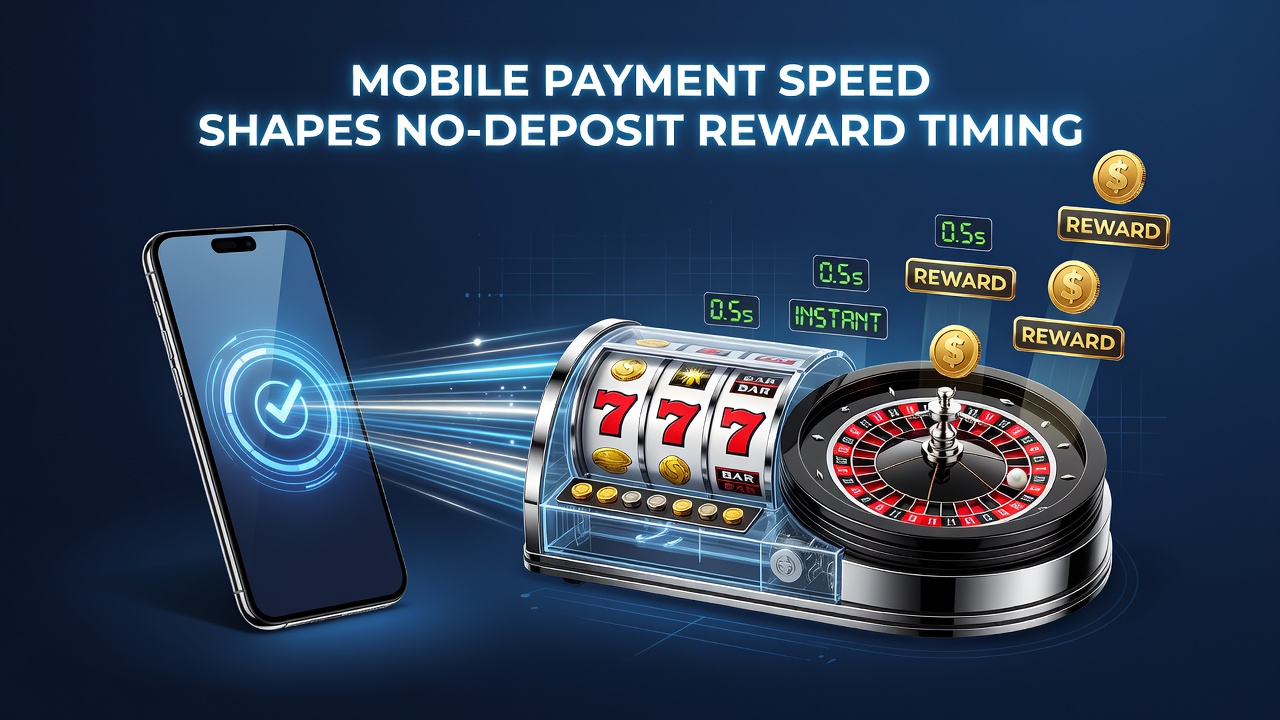
Payment processing times on mobile devices determine when no-deposit rewards activate in games that combine slot mechanics with roulette wheels, and platform operators track these intervals through transaction logs that record authorization to credit sequences. Data from transaction monitoring systems show that delays of even a few seconds shift the moment free spins or bonus credits appear in player accounts, which affects how quickly participants move between game modes in a single session.
Mechanics of Hybrid Game Structures
Hybrid environments merge reel spins from slots with betting layouts from roulette so that one session includes both random number generator outcomes and wheel results, and developers integrate these features through unified interfaces that accept the same mobile wallet connections. Payment speed enters the equation because no-deposit rewards must verify the initial transaction or account linkage before credits load, which means slower authorizations extend the gap between game entry and reward availability.
Studies of mobile gaming platforms indicate that systems using near-field communication or instant bank transfers complete verifications faster than those relying on older card gateways, and this difference appears in the timing logs that operators review during peak hours. Observers note that players who complete faster authorizations receive their credits while still in the initial hybrid round, whereas slower processes push the reward into later stages of play.
Transaction Speed and Reward Activation Windows
Research on digital wallet integrations reveals that payment velocity directly correlates with the length of the activation window for no-deposit offers, because each step from authorization request to ledger update consumes measurable milliseconds that accumulate across high-volume periods. When mobile networks handle traffic efficiently, the entire sequence finishes before the next spin or wheel resolution occurs, which keeps the reward synchronized with the current game state.
Industry reports from the Nevada Gaming Control Board document similar patterns in regulated environments where real-time processing standards require operators to log every authorization timestamp, and those records show that sub-second completions dominate during off-peak windows while multi-second delays cluster around evening peaks. The result is that reward timing becomes a function of both network conditions and the chosen payment rail rather than a fixed platform setting.
Integration Points in Mobile Architecture
Developers embed payment verification hooks at multiple layers of the hybrid game engine so that a successful no-deposit check can trigger either free spins on the slot component or an enhanced roulette bet option depending on the player's current position in the session. Faster payment rails reduce the latency at each hook, which allows the system to present the reward choice without forcing a pause in the game flow.
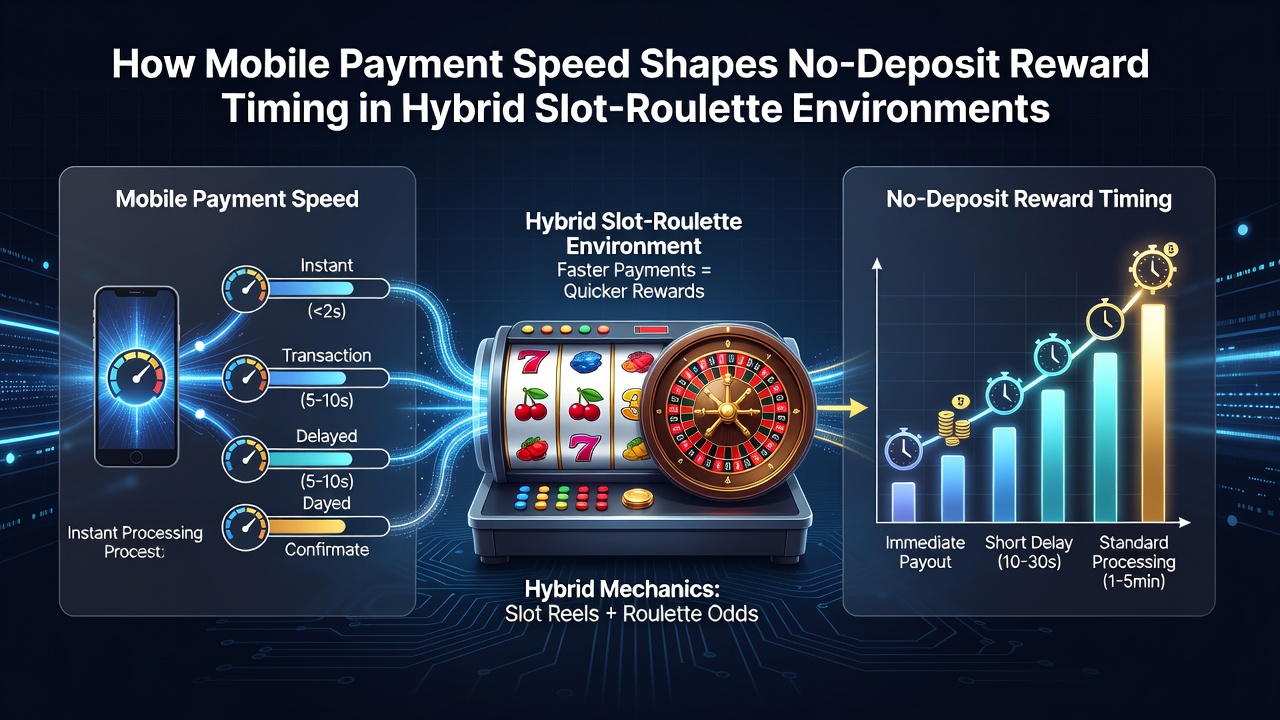
Platform data collected through June 2026 shows an increase in the adoption of instant settlement protocols across multiple jurisdictions, and these protocols shorten the interval between account linkage and credit delivery compared with legacy batch processing methods. Operators that upgraded their systems earlier in the year report tighter clustering of reward activations around the moment of first game interaction.
Patterns Across Different Payment Methods
Comparative analysis of e-wallet versus direct bank transfer methods indicates that digital wallets consistently produce shorter reward activation times in hybrid environments because they bypass intermediate clearing houses, whereas bank transfers introduce additional verification steps that extend the window by several seconds on average. Those who've examined aggregated operator logs find that the difference becomes most visible when thousands of sessions run concurrently and network queues form.
One documented example involves a European operator that switched a portion of its traffic to a newer instant rail in early 2026, after which the median time from payment initiation to no-deposit credit dropped measurably while the slot-roulette transition points remained unchanged. The shift appeared in their internal metrics as a reduction in sessions that required players to wait through an extra round before accessing the bonus feature.
Conclusion
Mobile payment velocity therefore functions as a timing variable that operators and platform architects must account for when designing reward delivery sequences in hybrid slot-roulette titles. Records from transaction systems demonstrate that faster authorizations compress the gap between game entry and credit availability, while slower methods stretch that interval across additional rounds. Continued monitoring of these intervals provides operators with concrete data on how payment infrastructure choices influence the practical experience of no-deposit offers within combined game formats.