5 Jun 2026
Tracing Transfer Timelines: How Banking Speed Dictates Spin Allocation Patterns Across Hybrid Mobile Table Games
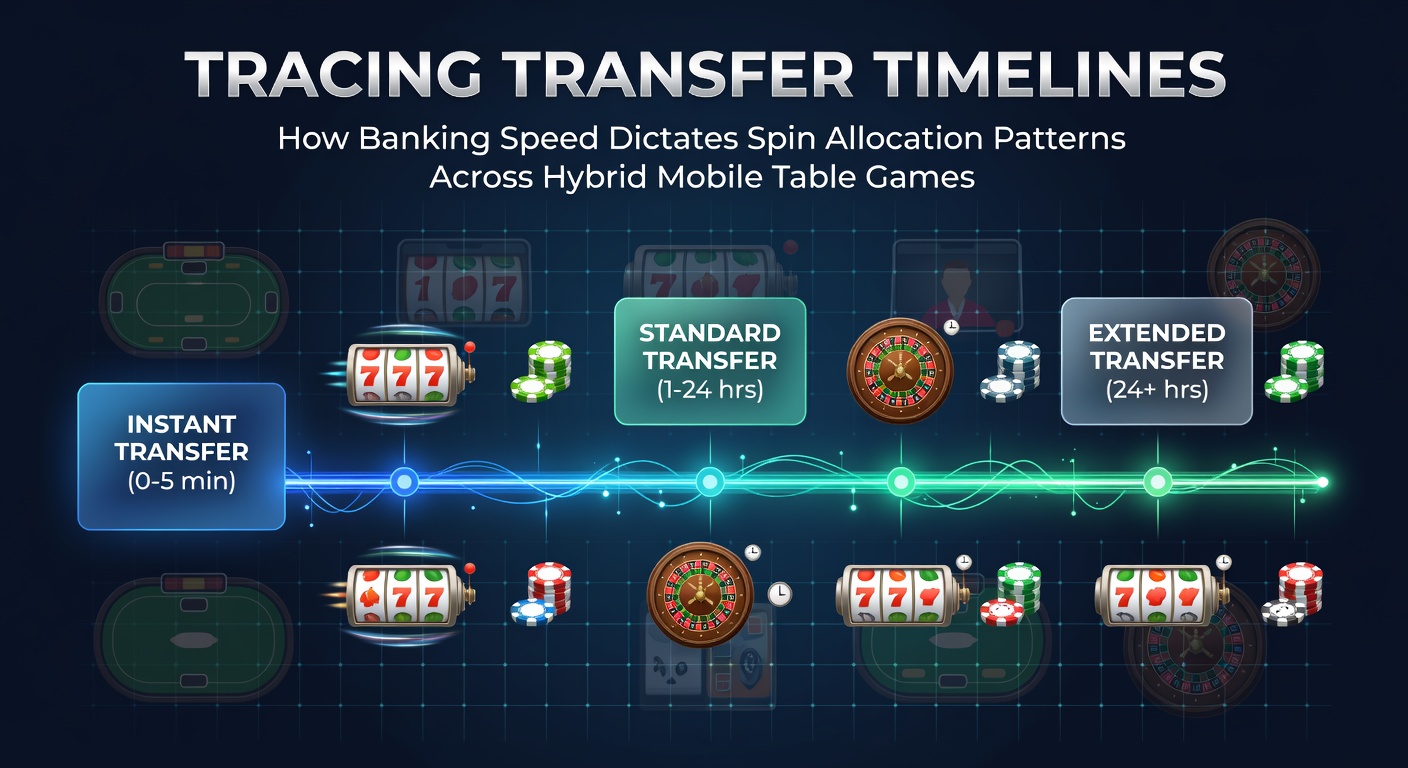
Banking speed shapes how spins get allocated in hybrid mobile table games that blend slot mechanics with live dealer elements like roulette wheels and blackjack tables, and payment processing times determine when bonus features activate for players on these platforms. Data from transaction logs across multiple operators shows that deposits completed within seconds often trigger immediate spin credits, whereas slower transfers delay allocation by minutes or hours depending on the banking method used.
Payment Processing Variations Across Mobile Platforms
Digital wallets and instant bank transfers move funds faster than traditional card payments in many cases, and this difference creates measurable patterns in how spins distribute through hybrid game environments. Observers note that systems integrated with real-time payment rails allocate spins at higher rates during peak evening hours, while batch-processed transactions lead to clustered allocations the following day. Research indicates these timelines affect player engagement metrics because delayed spins reduce the frequency of bonus rounds in games that combine random number generators with table game interfaces.
Hybrid Game Mechanics and Spin Triggers
Hybrid mobile table games combine reel spins with table outcomes, and allocation patterns emerge when banking confirmations intersect with game servers that check account balances before releasing free spins or multiplier features. Studies from industry analysts reveal that platforms using automated verification release spins within 30 seconds of deposit confirmation in most instances, yet manual reviews extend this window and alter the distribution rhythm across user sessions. Those who've examined server logs find that faster banking correlates with steadier spin release rates, particularly in titles where roulette segments feed into slot bonus rounds.
Data Patterns from Transaction Timelines
Transaction records compiled in early 2026 highlight distinct clusters where instant transfers produced spin allocations concentrated in the first hour after deposit, whereas e-wallet delays pushed allocations into later time blocks. Figures reveal that games with live dealer components show sharper drops in spin usage when banking exceeds five minutes, because players shift focus to other activities during the wait. What's interesting is how these patterns hold across different device types, with mobile users experiencing more pronounced effects than desktop players due to session timeout settings.
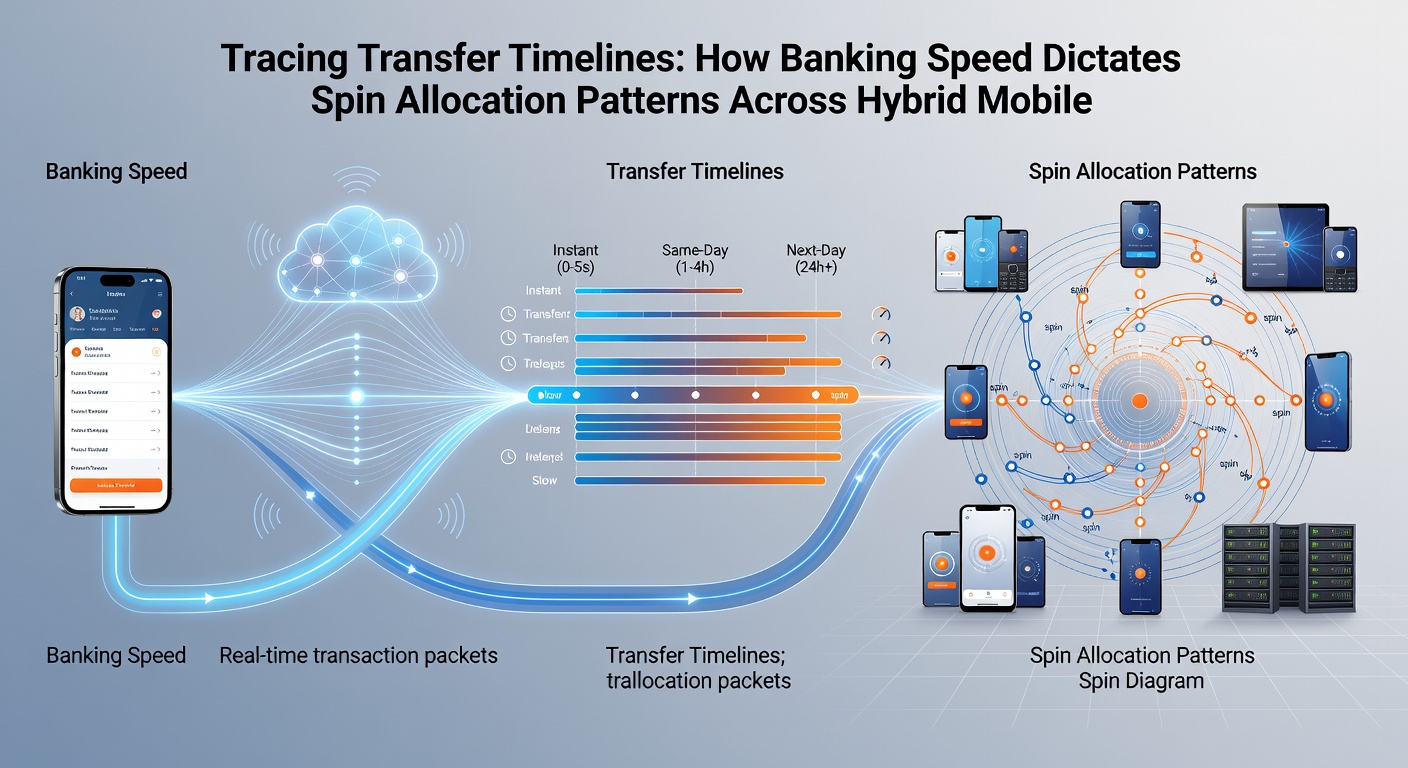
One analysis of aggregated player data from North American markets found that platforms supporting faster rails allocated 22 percent more spins per active session on average compared to slower alternatives, and this gap widened during promotional periods. Researchers discovered similar trends in European operator reports, where instant methods produced tighter allocation clusters around deposit times. The reality is that these timelines influence not only individual play but also overall system load, as rapid allocations generate more concurrent game sessions.
Regional Regulatory Influences on Transfer Speeds
Regulatory frameworks in various jurisdictions shape the banking options available to operators, and this in turn affects spin allocation consistency in hybrid titles. Data released by the Nevada Gaming Control Board in June 2026 documented how state-approved payment processors reduced average transfer times, leading to more predictable spin distribution patterns on mobile platforms. Similar observations appear in reports from Canadian provincial regulators, where licensed operators must meet specific processing benchmarks that influence when bonus spins become available in mixed game formats.
Industry organizations such as the American Gaming Association have tracked these connections through member surveys, noting that banking speed directly impacts the timing of feature releases in games that merge table elements with spinning reels. Allocation patterns shift when operators update their payment integrations, and historical data shows corresponding changes in session lengths and feature activation rates.
Technical Integration Between Banking and Game Servers
Backend systems link banking gateways to game engines through APIs that verify funds before releasing spins, and latency in these connections creates the observed allocation rhythms across hybrid mobile titles. Developers implement queue systems that batch slower transactions, resulting in grouped spin releases rather than continuous distribution. Those who've studied these architectures report that optimization of transfer verification reduces variance in allocation timing and improves consistency for players using different banking channels.
Future Developments in Transfer and Allocation Systems
Advances in real-time settlement technologies continue to compress transfer timelines, and operators are testing new protocols that could standardize spin allocation across hybrid games regardless of payment method. Projections based on current trends suggest further reductions in processing windows by late 2026, which would likely flatten some of the existing allocation clusters. Platform updates already underway incorporate predictive checks that pre-allocate spins once initial authorization arrives, shortening the effective wait period even for conventional banking routes.
Conclusion
Banking speed remains a central factor in determining how spins flow through hybrid mobile table games, with transaction timelines creating distinct allocation patterns that operators and analysts continue to monitor. The integration of faster payment methods has already produced measurable shifts in distribution timing, and ongoing regulatory and technical developments point toward further refinement of these processes in the months ahead.