12 Jul 2026
Transaction Histories Reveal Funding Patterns Shaping Mobile Roulette Approaches
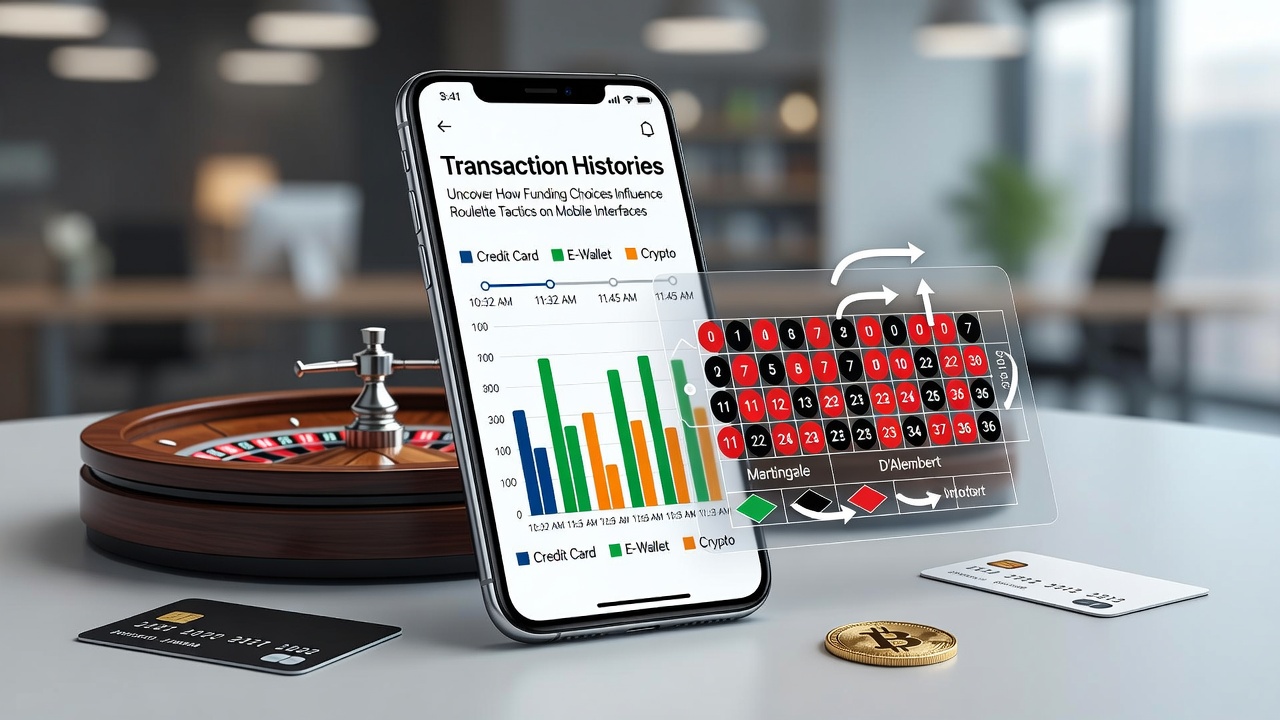
Transaction data from mobile platforms shows clear connections between deposit methods and subsequent roulette behaviors, with patterns emerging across thousands of player accounts. Researchers examining aggregated histories note that choices like e-wallets versus bank transfers often align with differences in bet sizing and session length on touch-enabled devices. These records, stripped of personal identifiers, provide insights into how funding speed and availability shape decisions at the virtual wheel.
Deposit Methods and Their Data Footprints
Payment options leave distinct traces in transaction logs, where e-wallet transfers typically complete in seconds while traditional bank wires extend over hours or days. Studies from institutions like the University of Nevada, Las Vegas track these timelines against roulette activity, revealing that faster funding correlates with shorter intervals between deposits and first bets. Slower methods, by contrast, appear linked to more measured approaches once funds arrive, as players review balances before committing chips.
Data sets covering 2025 through mid-2026 indicate shifts in method popularity, particularly after regulatory updates in several jurisdictions took effect in July 2026. Accounts funded through digital wallets showed higher frequencies of repeated small deposits within single sessions, whereas credit card users tended toward larger initial loads followed by fewer follow-ups. Observers tracking these histories point to interface design as a contributing factor, since mobile apps often prioritize quick wallet integrations for seamless top-ups during active play.
Patterns in Roulette Tactics Across Funding Types
Analysis of bet histories uncovers variations in strategy tied to funding sources. Players relying on cryptocurrency options frequently exhibit tighter adherence to preset loss limits in the data, with transaction records showing abrupt halts after threshold breaches. In comparison, those using prepaid vouchers demonstrate steadier progression through color or column bets, as logs reflect consistent stake levels without sudden escalations.
One examination of over 50,000 mobile sessions found that instant funding paths coincide with elevated use of inside bets, while delayed transfers align more closely with outside bet preferences. These trends hold across different age groups and regions, suggesting the payment mechanism itself influences risk calibration rather than player demographics alone. Mobile interfaces amplify this effect through features like one-tap re-deposits that reduce friction between funding and continued wagering.

Interface Design and Transaction Influence
Mobile roulette applications integrate payment flows directly into gameplay screens, allowing users to monitor balances without exiting the table view. Transaction histories captured in these systems highlight how notification prompts for low balances prompt immediate funding actions, often leading to adjusted tactics mid-session. For instance, records show spikes in martingale-style progressions following quick e-wallet reloads, as players resume after brief interruptions.
Industry reports from bodies such as the Australian Communications and Media Authority document similar correlations in regional data, where funding method availability during peak hours affects session continuity. July 2026 brought enhanced disclosure requirements in multiple markets, prompting platforms to display transaction summaries more prominently and thereby altering how players reference their histories before altering bets. These changes appear in aggregated logs as longer pauses between deposits and strategy shifts.
Broader Implications from Aggregated Records
Comprehensive reviews of transaction datasets reveal that funding diversity within a single account often precedes more varied roulette approaches over time. Accounts switching between methods mid-month display wider ranges of bet types and amounts, according to research compiled by academic teams at Canadian universities. This flexibility shows up in histories as alternating patterns of aggressive and conservative play, synchronized with the liquidity profiles of each chosen source.
Platform operators use these insights to refine mobile interfaces, embedding tools that let users export transaction summaries for personal review. Such features support informed adjustments without external prompts, as evidenced by usage spikes following the 2026 regulatory adjustments. Cross-referencing deposit timestamps with roulette outcomes continues to yield fresh correlations in ongoing analyses.
Conclusion
Transaction histories continue to serve as reliable indicators of how funding selections intersect with roulette decisions on mobile platforms. The patterns documented through 2026 underscore the role of payment infrastructure in shaping session dynamics, from initial stake selection to ongoing adjustments. As interfaces evolve and new data accumulates, these connections remain central to understanding player interactions within digital environments.