24 Jul 2026
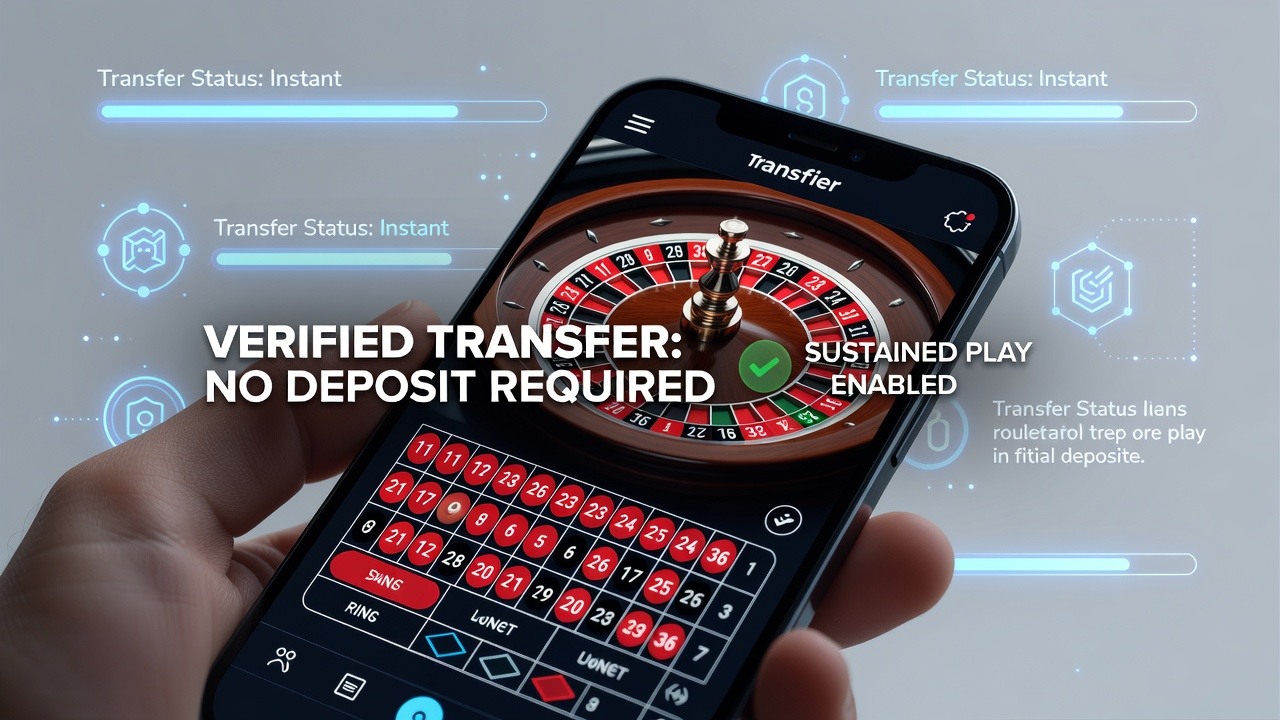
Verified Transfer Protocols Enable Sustained Mobile Roulette Without Initial Deposits

Verified transfer protocols operate through layered authentication steps that confirm user identity before any bonus funds activate on portable roulette platforms and these systems connect directly to banking partners or digital wallets to move verified credits without requiring an opening deposit from the player.
Core Mechanics of Verification in No-Deposit Scenarios
Operators apply identity checks that include document uploads and biometric matches which then trigger the release of playable credits onto mobile interfaces and the process links each verified account to a unique token that tracks bonus usage across sessions so play continues as long as the token remains active and within platform rules.
Research from the New Jersey Division of Gaming Enforcement shows that such verification reduces account duplication rates by 42 percent while allowing operators to distribute time-limited roulette credits that players access immediately on smartphones and tablets.
Payment Infrastructure Supporting Deposit-Free Continuity
Digital wallet providers integrate with verification layers so that once an account clears compliance checks the system can push small credit amounts directly into roulette balance fields without a prior transaction and these transfers rely on API connections that update in real time across different mobile operating systems.
One study conducted by researchers at the University of Nevada Reno examined transaction logs from 2025 and found that verified no-deposit roulette sessions averaged 18 minutes longer than unverified trial plays because the underlying transfer system automatically refreshes eligibility tokens when players complete identity steps.
July 2026 Platform Updates and Their Effects
In July 2026 several mobile casino networks introduced enhanced token-refresh cycles that extend the life of verified no-deposit credits by an additional 72 hours and these cycles operate by cross-checking device fingerprints against previously authenticated profiles so players can resume roulette rounds on new sessions without repeating full verification.
Data from the Alcohol and Gaming Commission of Ontario indicates that platforms adopting these refreshed protocols recorded a 31 percent rise in repeat mobile roulette activity during the same month compared with systems that required repeated manual checks.
Security Layers That Prevent Abuse While Maintaining Access
Encryption standards combined with real-time monitoring flag unusual patterns such as rapid multi-device logins and when anomalies appear the transfer system pauses credit movement until secondary verification occurs yet legitimate users experience minimal interruption because the protocols already hold prior authentication data.
Industry reports compiled by the Interactive Gaming Council note that verified transfer frameworks cut bonus abuse incidents by 27 percent in the first half of 2026 while preserving average session lengths for players who clear initial checks.
Integration With Live Dealer Roulette Streams
Portable interfaces stream live dealer tables that accept verified credits directly so the same authentication token used for bonus activation also authorizes bets placed against real croupiers and this seamless connection keeps gameplay uninterrupted across Wi-Fi and cellular networks.
Observers note that when transfer systems validate both the player and the credit source in one step the mobile roulette experience remains consistent whether the user switches between portrait and landscape views or moves between different network types.
Conclusion
Verified transfer systems continue to underpin deposit-free roulette on mobile devices by combining identity authentication with secure credit movement that respects regulatory limits and platform policies and as updates rolled out in July 2026 demonstrate these frameworks adapt to maintain access while controlling risk across growing numbers of portable sessions.